ACL Surgery in Jayanagar
ACL Surgery in Jayanagar: Comprehensive Guide to Treatment and Recovery
A torn anterior cruciate ligament (ACL) is one of the most common knee injuries, particularly among athletes and active individuals. If left untreated, it can lead to long-term knee instability and hinder mobility. ACL surgery in Jayanagar is a highly effective treatment for restoring knee function and preventing further damage. This guide covers everything you need to know about ACL surgery, including its benefits, recovery, and when to seek medical attention.
What is ACL Surgery?
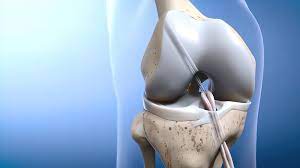
ACL surgery is a reconstructive procedure aimed at replacing the torn ligament with a graft to restore knee stability and function. The procedure is commonly performed using minimally invasive techniques, such as arthroscopic ACL reconstruction, which results in faster recovery and minimal scarring.
Why is ACL Surgery Needed?
- You experience severe knee instability, making it difficult to walk, run, or pivot.
- Your knee gives way frequently during movement.
- Non-surgical treatments like physiotherapy do not provide relief.
- You are an athlete who wants to return to sports that involve sudden stops or changes in direction.
Types of ACL Surgery
1. Autograft ACL Reconstruction
- The patient's own tissue (usually from the patellar tendon, hamstring, or quadriceps) is used to reconstruct the ACL.
- Preferred for younger and highly active individuals due to better tissue integration.
2. Allograft ACL Reconstruction
- A donor graft is used instead of the patient's own tissue.
- Suitable for older patients or those who want a less invasive approach.
3. Synthetic ACL Reconstruction
- Artificial materials are used to replace the ACL.
- Less common and typically used in experimental or specialized cases.
Benefits of ACL Surgery
- Restores Knee Stability: The reconstructed ligament allows the knee to function normally without frequent episodes of buckling.
- Prevents Further Knee Damage: Delaying treatment can lead to additional damage to the meniscus and cartilage.
- Enables a Return to Sports: Athletes can regain full movement and return to high-impact activities.
- Minimally Invasive Approach: Arthroscopic surgery reduces healing time and post-surgical pain.
- Long-Lasting Results: A successful ACL reconstruction can last a lifetime with proper rehabilitation.
When to See a Doctor?
- Severe Knee Pain: Pain that does not improve with rest or medication.
- Swelling and Stiffness: Persistent swelling and stiffness in the knee.
- Instability or Weakness: Difficulty standing or walking due to knee instability.
- A Popping Sound: A popping sound at the time of injury, followed by pain and swelling.
- Inability to Bend or Straighten: If you cannot fully bend or straighten your knee.
For expert ACL surgery in Jayanagar, consult Dr. Pradyumna R, a renowned orthopaedic surgeon in Jayanagar specializing in knee injuries and minimally invasive ACL reconstruction.
Meet Dr. Pradyumna R – Expert in ACL Surgery in Jayanagar
Dr. Pradyumna R is a leading orthopaedic surgeon in Jayanagar, known for his expertise in ACL reconstruction and sports injury management. With advanced surgical techniques and personalized rehabilitation programs, he ensures optimal recovery for his patients.
Why Choose Dr. Pradyumna R?
- Expert in Arthroscopic ACL Surgery: Specializing in minimally invasive techniques for faster healing.
- Extensive Experience: Years of practice treating ACL injuries with high success rates.
- Comprehensive Rehabilitation Support: Focus on post-surgery recovery to restore full knee function.
- State-of-the-Art Facilities: Equipped with the latest medical technology for accurate diagnosis and treatment.
The ACL Surgery Procedure
1. Pre-Surgical Preparation
- MRI and physical examination to assess ligament damage.
- Pre-habilitation (physiotherapy before surgery) to strengthen surrounding muscles.
- Discussion of the type of graft (autograft or allograft) based on patient needs.
2. Surgical Procedure
- Performed under general or spinal anesthesia.
- Arthroscopic instruments are inserted through small incisions for a minimally invasive approach.
- The damaged ACL is removed, and a graft is positioned and secured using screws or fixation devices.
- The incisions are closed, and the knee is stabilized.
3. Post-Surgical Recovery
- Hospital Stay: Usually an outpatient procedure or a 24-hour stay.
- Initial Recovery: Use of crutches for 1-2 weeks to prevent strain on the knee.
- Physical Therapy: Begins within a few days post-surgery to regain motion and strength.
- Full Recovery: Most patients return to normal activities within 6-9 months.
Rehabilitation and Recovery Tips
1. Physiotherapy
- Strength training to improve muscle support around the knee.
- Range-of-motion exercises to prevent stiffness.
- Balance and coordination drills to regain stability.
2. Pain Management
- Ice therapy to reduce swelling and inflammation.
- Medications as prescribed by Dr. Pradyumna R to manage discomfort.
3. Gradual Return to Activity
- Avoid high-impact sports for at least 6 months.
- Use a knee brace if necessary during initial movement.
4. Lifestyle Modifications
- Maintain a healthy weight to reduce stress on the knee.
- Engage in low-impact exercises such as swimming or cycling.
Preventing ACL Injuries in the Future
- Strengthen leg muscles, especially hamstrings and quadriceps.
- Practice proper landing and pivoting techniques in sports.
- Wear supportive footwear during physical activity.
- Avoid sudden movements that strain the knee joint.
Conclusion
ACL surgery is a highly effective solution for individuals suffering from knee instability due to ligament injuries. With modern arthroscopic techniques, recovery times have significantly improved. If you're looking for ACL surgery in Jayanagar, trust Dr. Pradyumna R for expert care and successful outcomes.
Don’t let knee pain hold you back. Book a consultation with Dr. Pradyumna R, the best orthopaedic surgeon in Jayanagar, and take the first step toward a pain-free, active life.
📅 Book Your Appointment with Dr. Pradyumna R.
Take the first step to ward your health and well-being. Dr. Pradyumna R., an expert Orthopaedic surgeon, is here to provide top-notch care tailored to your needs.