AAnkle pain in Jayanagar

Ankle Pain in Jayanagar: Causes, Treatment, and When to See a Doctor
Ankle pain is a common issue affecting people of all ages, often resulting from injuries, medical conditions, or overuse. If you are experiencing ankle pain in Jayanagar, understanding its causes, symptoms, and treatment options can help you manage the discomfort and prevent complications. In this blog, we will explore the reasons behind ankle pain, available treatments, and when you should consult a doctor.
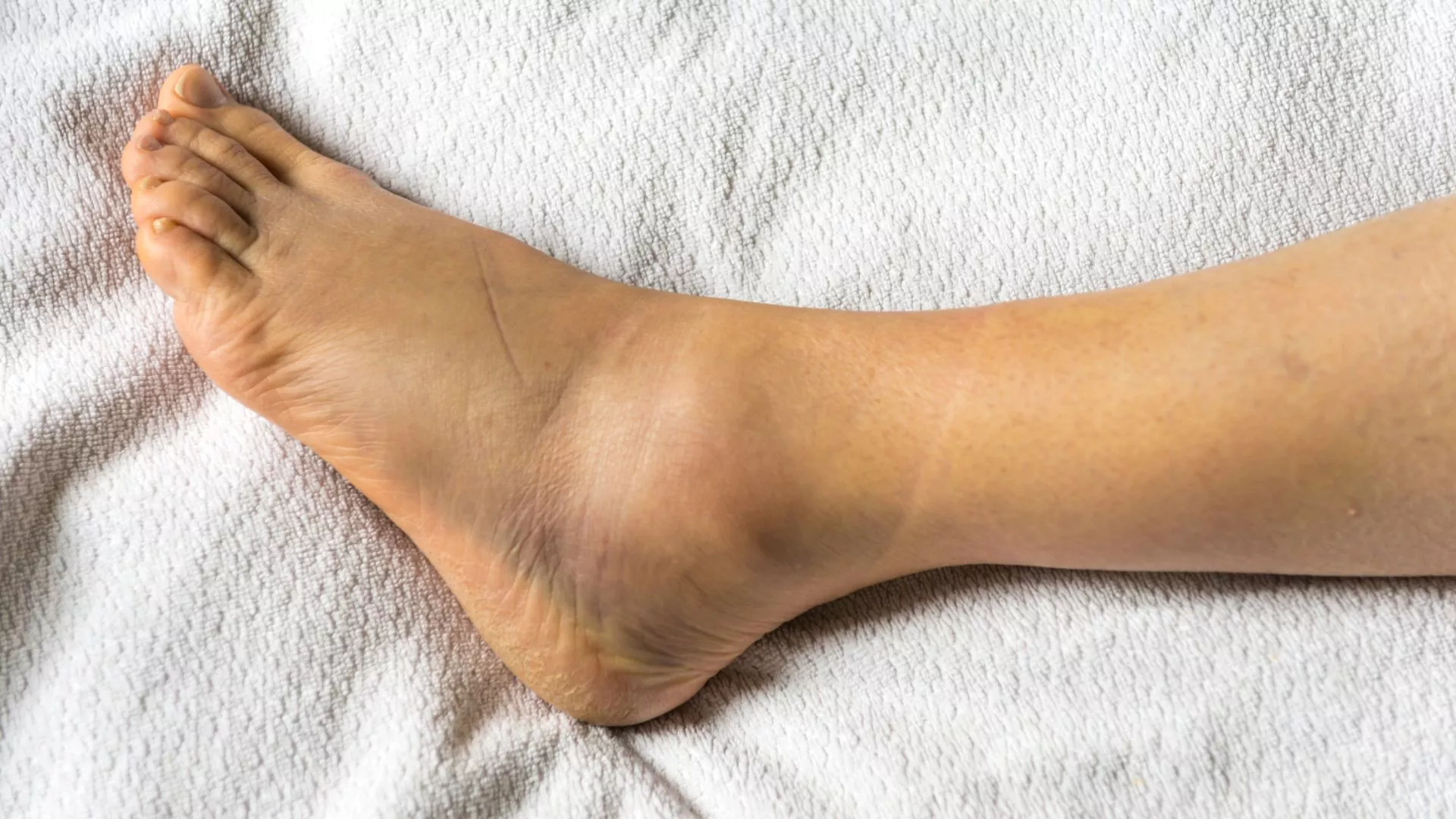
Common Causes of Ankle Pain
1. Sprains and Strains
A sprain occurs when the ligaments that support the ankle are overstretched or torn, leading to pain, swelling, and instability. Strains, on the other hand, involve muscle or tendon injuries due to overuse or excessive stretching.
2. Fractures
Ankle fractures can result from falls, accidents, or high-impact sports injuries. Symptoms include severe pain, swelling, bruising, and difficulty bearing weight on the affected foot.
3. Arthritis
Arthritis, such as osteoarthritis and rheumatoid arthritis, can cause chronic ankle pain and stiffness. Osteoarthritis develops due to wear and tear of the joint, whereas rheumatoid arthritis is an autoimmune condition that affects joint function.
4. Tendonitis
Inflammation of the tendons around the ankle, known as tendonitis, can lead to pain and discomfort. Achilles tendonitis and peroneal tendonitis are common types of this condition.
5. Gout
Gout is a form of arthritis caused by the accumulation of uric acid crystals in the joints, leading to sudden and intense pain, redness, and swelling in the ankle.
6. Plantar Fasciitis
Although primarily affecting the heel, plantar fasciitis can contribute to ankle pain due to excessive strain on the foot’s arch and surrounding structures.
7. Bursitis
Bursitis is inflammation of the fluid-filled sacs (bursae) that cushion the joints. Repetitive movement or prolonged pressure on the ankle can lead to this condition, resulting in pain and swelling.
Symptoms of Ankle Pain
Depending on the cause, ankle pain may be accompanied by:
- Swelling and tenderness
- Redness or bruising
- Difficulty walking or bearing weight
- Stiffness or limited range of motion
- Popping or clicking sounds during movement
Treatment Options for Ankle Pain
1. Home Remedies
For mild ankle pain, home treatments can provide relief:
- Rest: Avoid putting stress on the ankle to prevent further injury.
- Ice: Apply ice packs for 15-20 minutes every few hours to reduce swelling and pain.
- Compression: Use an elastic bandage to support the ankle and minimize swelling.
- Elevation: Keep the ankle elevated to reduce inflammation and improve circulation.
2. Medications
Over-the-counter pain relievers like ibuprofen or acetaminophen can help reduce pain and inflammation.
If gout is the cause, medications to lower uric acid levels may be prescribed.
3. Physical Therapy
Stretching and strengthening exercises can improve flexibility and stability in the ankle.
A physical therapist may recommend balance training and mobility exercises to prevent future injuries.
4. Supportive Devices
Orthotic inserts or braces can provide additional support and reduce strain on the ankle.
Crutches or a walking boot may be necessary in cases of severe injury or fractures.
5. Medical Procedures
Corticosteroid injections can help relieve pain and inflammation in chronic conditions like arthritis.
In cases of severe tendon or ligament damage, surgery may be required to repair the injured structures.
When to See a Doctor
While minor ankle pain can often be treated at home, it is crucial to seek medical attention if you experience:
- Severe pain that does not improve with rest and home remedies
- Swelling that worsens over time
- Inability to walk or put weight on the affected foot
- Signs of infection, such as redness, warmth, or fever
- A visible deformity or misalignment of the ankle joint
Best Doctor for Ankle Pain in Jayanagar
For expert care, you can consult Dr. Pradyumna R, a highly experienced orthopedic specialist in Jayanagar. With expertise in diagnosing and treating various ankle-related conditions, Dr. Pradyumna R provides comprehensive care, including non-surgical and surgical treatment options tailored to each patient’s needs.
Preventing Ankle Pain
To minimize the risk of ankle pain, consider the following preventive measures:
- Wear Proper Footwear: Choose supportive shoes with good arch support and cushioning.
- Warm-Up Before Exercise: Stretching and warming up before physical activities can help prevent injuries.
- Strengthen Ankle Muscles: Regular exercises to improve ankle strength and flexibility can reduce the likelihood of sprains and strains.
- Avoid High-Impact Activities: If prone to ankle pain, opt for low-impact exercises like swimming or cycling.
- Maintain a Healthy Weight: Excess body weight can put added pressure on the ankle joints, increasing the risk of pain and injuries.
Conclusion
Ankle pain can be a result of various factors, from injuries to medical conditions. Understanding the cause of your discomfort and seeking timely treatment can prevent long-term complications. If you have persistent ankle pain in Jayanagar, consulting Dr. Pradyumna R can help you receive expert diagnosis and treatment. Whether through conservative management or advanced medical procedures, the right approach can ensure a pain-free and active lifestyle.
If you or a loved one is experiencing ankle pain, do not hesitate to seek professional medical advice. Early intervention can make a significant difference in recovery and overall joint health.