Best Orthopaedic Clinic Jayanagar

Our bones, joints, and muscles play a crucial role in maintaining mobility and overall well-being. However, many people ignore pain and discomfort, assuming it will go away on its own. This delay in seeking treatment can often lead to worsened conditions, prolonged pain, and even permanent damage. Knowing when to visit an orthopaedic doctor can help prevent complications and improve your quality of life. In this blog, we will explore the key signs that indicate you need to see an orthopaedic specialist like Dr. Pradyumna. R at the Best Orthopaedic Clinic Jayanagar.
1. Persistent Joint Pain That Won’t Go Away
Experiencing occasional joint pain after strenuous activity is normal. However, if you have persistent pain that lasts for weeks or keeps coming back, it may indicate an underlying issue like arthritis, cartilage damage, or inflammation. Early diagnosis can help manage pain effectively and prevent further complications.
2. Difficulty in Performing Daily Activities
If you struggle with routine tasks such as climbing stairs, bending down, or lifting objects due to stiffness or pain, it is a strong indication that you need medical attention. Conditions like osteoarthritis, ligament injuries, or muscle weakness can lead to these mobility issues. Consulting an orthopaedic doctor early can help you regain functionality and ease discomfort.
3. Swelling, Redness, or Warmth Around a Joint
Swelling and redness around a joint often suggest inflammation, which could be due to infections, arthritis, or trauma. If you notice persistent swelling that does not subside with rest and ice therapy, it is important to consult an orthopaedic specialist. Dr. Pradyumna. R at the Best Orthopaedic Clinic Jayanagar can diagnose the root cause and recommend the appropriate treatment.
4. Limited Range of Motion
If you find it difficult to move a joint through its full range of motion, it could be due to conditions such as arthritis, tendonitis, or joint impingement. A reduced range of motion can interfere with daily activities and worsen over time if left untreated. Orthopaedic treatments, including physiotherapy, medications, or surgical interventions, can help restore mobility.
5. Chronic Back or Neck Pain
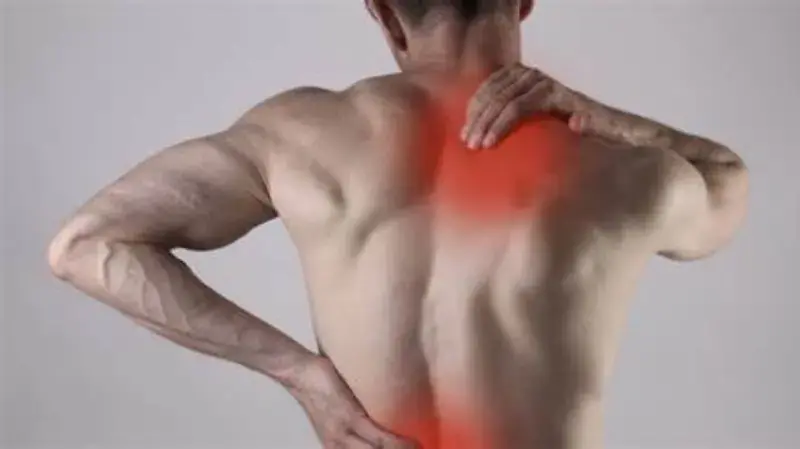
Back and neck pain are common complaints, often resulting from poor posture, prolonged sitting, or injuries. However, if your pain is chronic and accompanied by symptoms like numbness, tingling, or weakness in the arms or legs, it may indicate spinal problems such as herniated discs, sciatica, or spinal stenosis. Seeking timely medical advice can prevent complications and improve your quality of life.
6. Instability or Feeling That a Joint May “Give Out”
Do you feel like your knee or shoulder might give way while walking or lifting objects? This sensation of joint instability is often linked to ligament injuries, such as ACL tears or rotator cuff damage. Ignoring such symptoms can increase the risk of falls and further injuries. A proper evaluation by an orthopaedic doctor can help determine the right treatment approach.
7. Recurring or Severe Sports Injuries
Athletes and active individuals are prone to musculoskeletal injuries, including sprains, fractures, and dislocations. If you have suffered repeated sports injuries or continue to experience pain from a past injury, you should see an orthopaedic specialist. Delaying treatment may lead to chronic pain and reduced performance in physical activities.
8. Numbness, Tingling, or Weakness in Limbs
These symptoms may indicate nerve compression or musculoskeletal disorders like carpal tunnel syndrome, herniated discs, or sciatica. If you experience persistent tingling or numbness in your arms, hands, legs, or feet, a specialist like Dr. Pradyumna. R can assess your condition and provide appropriate treatment to prevent permanent nerve damage.
9. Bone Fractures or Suspected Fractures
If you experience severe pain, swelling, and deformity after an accident or fall, you may have a fracture. Even minor fractures require medical attention to ensure proper healing and prevent complications. An orthopaedic doctor will assess the severity of the fracture and recommend casting, splinting, or surgery if necessary.
10. Difficulty in Standing or Walking Due to Hip or Knee Pain
Chronic pain in the hip or knee that affects your ability to stand or walk can be a sign of osteoarthritis, ligament tears, or cartilage damage. In severe cases, joint replacement surgery may be required. An early consultation can help determine the best treatment approach to restore mobility and relieve pain.
The Importance of Seeking Timely Orthopaedic Care
Ignoring musculoskeletal pain or mobility issues can lead to worsening symptoms, decreased quality of life, and even permanent damage. Seeking help from an experienced orthopaedic doctor like Dr. Pradyumna. R ensures that you receive accurate diagnosis and appropriate treatment for your condition.
Why Choose Dr. Pradyumna. R at the Best Orthopaedic Clinic Jayanagar?
- Expertise in Orthopaedic Treatments: With years of experience in treating bone, joint, and muscle conditions, Dr. Pradyumna. R provides comprehensive orthopaedic care tailored to your needs.
- State-of-the-Art Facility: The Best Orthopaedic Clinic Jayanagar is equipped with advanced diagnostic and treatment technologies to ensure precise care.
- Personalized Treatment Plans: Whether you require non-surgical interventions or surgical procedures, the clinic offers customized treatment plans for optimal recovery.
- Compassionate Care: Patient comfort and well-being are the top priorities, ensuring a smooth treatment experience from consultation to recovery.
Conclusion
Your bones, joints, and muscles are essential for an active and pain-free life. If you experience any of the signs mentioned above, do not ignore them. Seeking timely consultation with Dr. Pradyumna. R at the Best Orthopaedic Clinic Jayanagar can help diagnose and treat your condition effectively. Early intervention can prevent complications, improve mobility, and enhance your overall quality of life.
For expert orthopaedic care, book an appointment with Dr. Pradyumna. R today and take the first step toward a healthier, pain-free life!
📅 Book Your Appointment with Dr. Pradyumna R.
Take the first step toward your health and well-being. Dr. Pradyumna R., an expert Orthopaedic surgeon, is here to provide top-notch care tailored to your needs.