Hip pain treatment Bangalore

Hip Pain Treatment in Bangalore – Restoring Comfort and Mobility
Hip pain is a common issue that affects people of all ages. It can limit daily activities such as walking, climbing stairs, or even sitting comfortably. While minor hip pain may improve with rest and simple remedies, persistent or severe discomfort often requires specialized medical care. With advanced facilities and expert doctors, hip pain treatment in Bangalore offers effective solutions tailored to every patient’s condition.
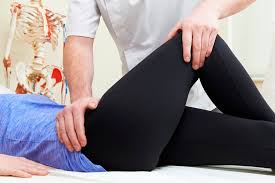
Common Causes of Hip Pain
The hip joint is one of the body’s largest weight-bearing joints, designed for strength and mobility. However, it is also prone to wear, injuries, and medical conditions. Some common causes of hip pain include:
- Osteoarthritis – Degeneration of cartilage leading to stiffness and pain.
- Rheumatoid Arthritis – An autoimmune condition causing chronic joint inflammation.
- Hip Fractures – Often due to accidents or weakened bones from osteoporosis.
- Bursitis – Inflammation of the fluid-filled sacs that cushion the hip joint.
- Tendonitis or Muscle Strain – Usually caused by overuse or sports injuries.
- Avascular Necrosis – Loss of blood supply to the hip bone, leading to joint damage.
- Labral Tears – Injury to the cartilage surrounding the hip socket.
Understanding the root cause is essential for deciding the right treatment plan.
Symptoms That Require Medical Attention
Not all hip pain requires surgery. However, it’s important to consult an orthopedic specialist if you experience:
- Persistent pain lasting more than a few weeks
- Pain radiating to the groin, thigh, or knee
- Difficulty walking or bearing weight
- Stiffness reducing range of motion
- Swelling, redness, or warmth around the joint
- Pain even while resting or sleeping
Advanced Hip Pain Treatments in Bangalore
Specialized orthopedic hospitals and clinics in Bangalore offer a wide range of treatments based on the severity of the condition.
1. Non-Surgical Treatments
- Medications – Pain relievers and anti-inflammatory drugs.
- Physiotherapy – Improves mobility, strengthens muscles, and reduces stiffness.
- Lifestyle Modifications – Weight management, posture correction, and activity adjustments.
- Injections – Corticosteroid or platelet-rich plasma (PRP) injections for pain relief.
2. Surgical Treatments
When conservative methods don’t work, surgery may be the best option. Common procedures include:
- Hip Arthroscopy – Minimally invasive surgery to repair labral tears and remove loose fragments.
- Osteotomy – Realigning the hip joint to reduce pain and improve function.
- Hip Resurfacing – A bone-conserving alternative to hip replacement.
- Total Hip Replacement – Damaged hip joint is replaced with an artificial implant, offering long-lasting pain relief.
Why Choose Bangalore for Hip Pain Treatment?
Bangalore has become one of the top destinations for advanced orthopedic care. Patients prefer the city for:
- Highly Skilled Specialists – Experienced orthopedic and joint replacement surgeons.
- World-Class Infrastructure – Hospitals equipped with advanced imaging, robotic surgery, and rehabilitation units.
- Cost-Effective Treatment – Affordable compared to many metro cities and international standards.
- Comprehensive Care – From diagnosis and surgery to rehabilitation, patients receive holistic support.
Recovery and Rehabilitation
Recovery after hip treatment depends on the condition and procedure:
- Non-Surgical Care – Physiotherapy and lifestyle changes may show improvement within weeks.
- Hip Arthroscopy – Recovery within 4–6 weeks.
- Total Hip Replacement – Patients usually return to normal activity within 6–12 weeks, with full recovery in 3–6 months.
A structured physiotherapy plan and regular follow-up visits ensure long-term success.
Tips for Preventing Hip Pain
- Maintain a healthy body weight to reduce pressure on joints.
- Exercise regularly to strengthen hip and core muscles.
- Warm up before sports and physical activities.
- Avoid repetitive high-impact movements that strain the hip.
- Ensure good posture while sitting and standing.
Frequently Asked Questions (FAQs)
- 1. Can hip pain be treated without surgery? Yes. Many cases improve with physiotherapy, medications, and injections. Surgery is recommended only when non-surgical methods fail.
- 2. Is hip replacement safe? Modern hip replacement surgeries in Bangalore are safe, with high success rates and long-lasting results.
- 3. How do I know if I need hip surgery? If hip pain is severe, persistent, and affects your daily life despite treatment, your doctor may suggest surgery.
- 4. What is the recovery time for hip replacement? Most patients resume normal activities in 6–12 weeks, depending on age, overall health, and adherence to physiotherapy.
- 5. Can young people get hip pain? Yes. Sports injuries, labral tears, or developmental issues can cause hip pain in younger individuals.
Conclusion
Hip pain should never be ignored, especially when it starts interfering with daily activities. With advanced facilities, personalized care, and expert orthopedic specialists, hip pain treatment in Bangalore offers comprehensive solutions for patients of all ages. Whether through non-surgical therapies or advanced joint replacement surgery, Bangalore provides the right blend of technology and expertise to restore mobility and improve quality of life.