Hip Replacement surgery in Silk Board

Hip replacement surgery is a transformative procedure designed to alleviate pain and restore function in patients suffering from severe hip joint problems. This surgery has become one of the most common and effective orthopedic procedures, offering significant relief to people with debilitating hip conditions. At the forefront of providing exceptional orthopedic care, Dr. Pradyumna R. specializes in Hip Replacement surgery in Silk Board and Hip Replacement surgery in Jayanagar, helping patients regain their mobility and improve their quality of life. In this blog, we will explore the symptoms, treatment options, and post-surgery care related to hip replacement surgery.
Symptoms That Indicate the Need for Hip Replacement Surgery
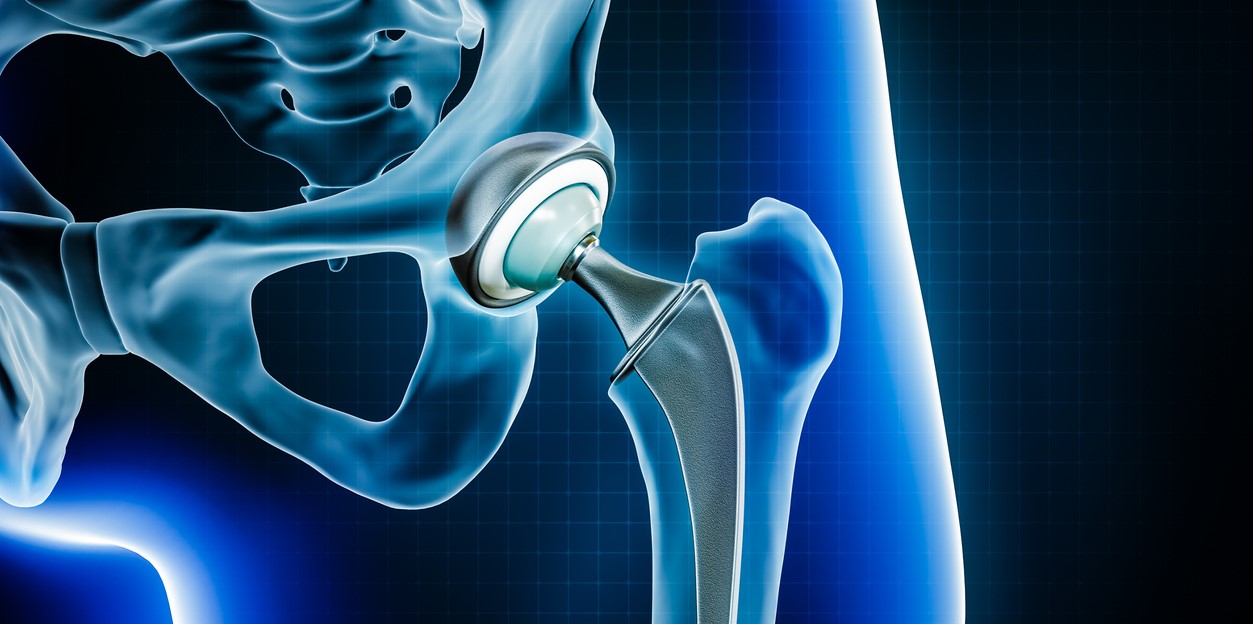
The hip joint is a ball-and-socket joint that connects the pelvis to the thigh bone, enabling a wide range of movement. Over time, due to wear and tear or injury, the cartilage in the hip joint can break down, causing pain, stiffness, and limited mobility. The following symptoms are common indicators that you might need hip replacement surgery:
- Persistent Hip Pain: Pain in the hip that does not improve with rest or medication is a significant sign. It may worsen during activities like walking, climbing stairs, or getting in and out of a car.
- Limited Range of Motion: Difficulty in performing routine activities, such as bending or squatting, may be a result of limited range of motion in the hip joint.
- Stiffness: If your hip feels stiff and you find it hard to move freely or if it locks up when trying to move, you may have advanced joint degeneration.
- Inability to Sleep Due to Pain: If hip pain prevents you from sleeping comfortably or if you wake up at night due to pain, it can be a clear indication that the joint is severely affected.
- Difficulty Walking: A noticeable limp or a feeling of instability when walking is another symptom that may require surgical intervention.
When these symptoms persist, despite the use of non-surgical treatments such as medication, physical therapy, and lifestyle modifications, hip replacement surgery becomes a viable solution. Dr. Pradyumna R. is well-versed in treating these symptoms and offers specialized services for Hip Replacement surgery in Silk Board and Hip Replacement surgery in Jayanagar.
Treatment Options for Hip Replacement Surgery
The main goal of hip replacement surgery is to replace the damaged or arthritic parts of the hip joint with artificial components, typically made of metal, ceramic, or plastic, to restore function and alleviate pain. The procedure involves the removal of the damaged ball of the hip joint and its replacement with a prosthetic ball and socket. Dr. Pradyumna R. uses advanced techniques and state-of-the-art technology to ensure the success of each surgery.
- Total Hip Replacement (THR): In a total hip replacement, both the acetabulum (hip socket) and the femoral head (ball) are replaced with artificial components. This procedure is ideal for patients who have severe arthritis, hip fractures, or other hip joint diseases that affect both parts of the joint.
- Hip Resurfacing Surgery: This is a less invasive alternative to total hip replacement. Instead of removing the femoral head completely, hip resurfacing involves trimming and capping the femoral head with a metal cover. It is suitable for younger, more active patients who have good bone quality.
Both options have their benefits, and Dr. Pradyumna R. will evaluate the specific needs of each patient to recommend the best treatment plan. His expertise in performing Hip Replacement surgery in Silk Board and Hip Replacement surgery in Jayanagar ensures that patients receive personalized care tailored to their condition.
What to Expect During the Surgery
Hip replacement surgery is typically performed under general or spinal anesthesia. The procedure can take between 1 to 2 hours, depending on the complexity of the case. Surgeons make an incision in the hip area to access the damaged joint. After removing the damaged portions, the artificial hip components are placed, and the incision is closed.
Patients may experience mild discomfort and swelling post-surgery, but these symptoms usually subside after a few days.
Post-Surgery Care and Recovery
Post-surgery care is crucial for a successful recovery and long-term mobility. The recovery timeline may vary depending on the individual’s health and the type of surgery performed. Here are the essential components of post-surgery care:
- Pain Management: Immediately after surgery, pain management is a priority. Medications, ice packs, and physical therapy can help manage post-operative pain and inflammation. Dr. Pradyumna R. will closely monitor pain levels and adjust medications as necessary.
- Physical Therapy: Physical therapy is an essential part of recovery, helping restore strength, flexibility, and mobility. Patients will begin light physical therapy soon after surgery to prevent stiffness and regain movement. The goal is to gradually increase the range of motion and build strength in the surrounding muscles.
- Wound Care: Proper care of the surgical wound is essential to prevent infection. Keeping the incision clean and dry, as well as following all post-operative instructions, will help in faster recovery. Dr. Pradyumna R. will schedule follow-up visits to monitor the healing process and ensure the wound is healing properly.
- Assistive Devices: During the initial recovery period, patients may need to use assistive devices, such as crutches, walkers, or a cane, to help with mobility. Dr. Pradyumna R. will guide patients on how to use these devices safely and effectively.
- Resuming Daily Activities: Within the first few weeks, most patients can resume basic activities, such as walking short distances, going up and down stairs, and sitting comfortably. However, high-impact activities, such as running or jumping, should be avoided until the hip has fully healed.
- Diet and Lifestyle Adjustments: Maintaining a healthy diet and keeping weight under control will aid the healing process and help prevent additional strain on the new hip joint. Dr. Pradyumna R. may recommend specific dietary changes and exercise routines to improve overall health and ensure the long-term success of the surgery.
Conclusion
Hip replacement surgery is an effective solution for individuals suffering from severe hip joint pain and limited mobility. Under the expert care of Dr. Pradyumna R., patients can expect a smooth and successful procedure that enhances their quality of life. Whether you are seeking Hip Replacement surgery in Silk Board or Hip Replacement surgery in Jayanagar, Dr. Pradyumna R. provides comprehensive care that covers everything from diagnosis to post-surgery rehabilitation. If you're experiencing hip pain or stiffness, don’t wait any longer—consult with Dr. Pradyumna R. to discuss your options and take the first step toward regaining your freedom of movement.
For more information or to schedule a consultation, visit Dr. Pradyumna R.'s website.
📅 Book Your Appointment
Take the first step toward pain-free living. Our expert team is here to provide top-notch care tailored to your needs.