ligament surgery in Jayanagar

Ligament injuries can be both painful and debilitating, affecting mobility and overall quality of life. While minor ligament sprains can heal with rest and physiotherapy, more severe ligament tears may require surgical intervention. But how do you know when to see a doctor for ligament surgery in Jayanagar or ligament surgery in Silk Board? This guide will help you understand the key signs, evaluation process, and expert advice from Dr. Pradyumna. R to determine when surgery is the best option for ligament injuries.
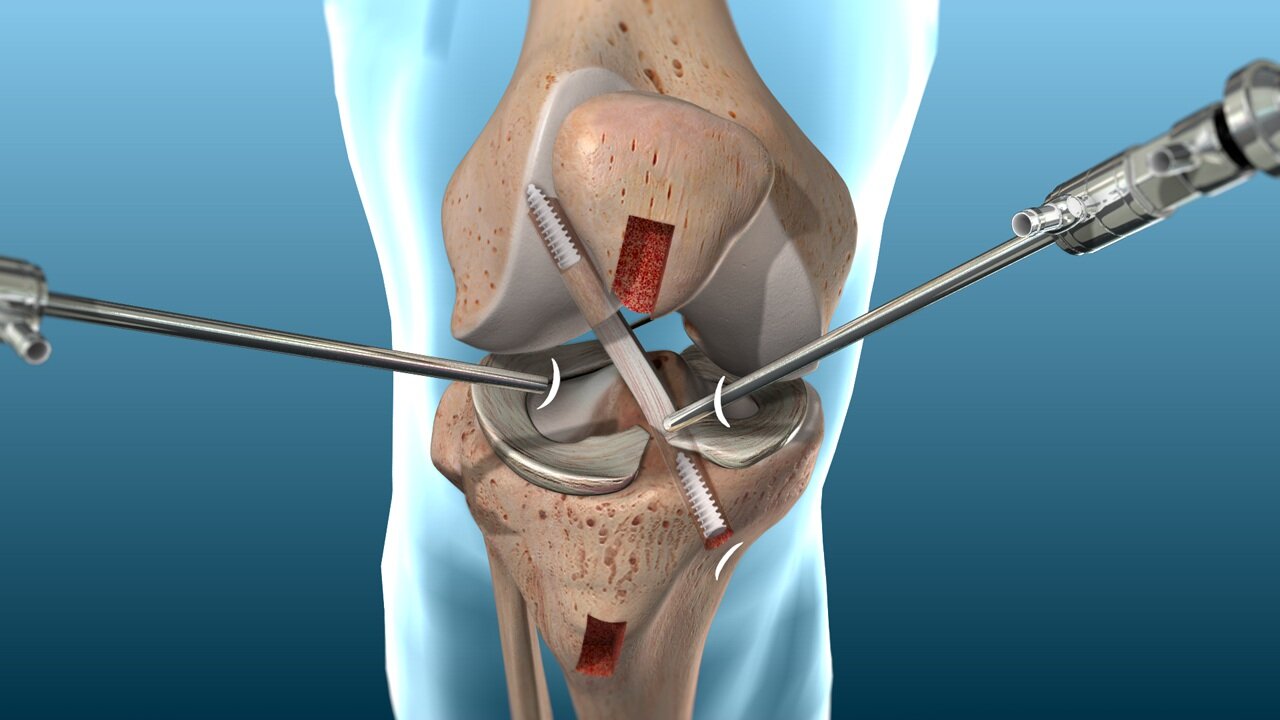
Understanding Ligament Injuries
Ligaments are tough, fibrous bands that connect bones and provide stability to joints. They play a crucial role in movement and structural integrity. The most commonly injured ligaments include:
1. Anterior Cruciate Ligament (ACL)
Found in the knee, the ACL is crucial for knee stability and is often injured in sports-related activities.
2. Medial Collateral Ligament (MCL)
The MCL supports the inner part of the knee and is commonly injured due to a direct blow to the knee.
3. Posterior Cruciate Ligament (PCL)
The PCL controls the backward motion of the knee and can be injured in accidents such as car crashes.
4. Lateral Collateral Ligament (LCL)
The LCL provides stability to the outer knee and can be torn by forceful twisting or bending movements.
5. Ankle Ligaments
Ankle ligaments are essential for ankle joint stability and can be sprained or torn during activities such as running or jumping.
6. Shoulder Ligaments
Shoulder ligaments help stabilize the shoulder joint and can be injured due to overuse or traumatic events.
Key Signs You May Need Ligament Surgery
1. Persistent Pain and Swelling
Severe or chronic pain and swelling in a joint, especially after an injury, could signal ligament damage. If swelling doesn't subside with rest, ice, and pain relief measures, medical evaluation may be necessary.
2. Difficulty Bearing Weight
Difficulty standing, walking, or putting weight on the affected limb could suggest a torn ligament that requires surgical repair.
3. Joint Instability or Weakness
Looseness or instability in the affected joint, such as the knee giving out while walking, may indicate ligament damage.
4. Limited Range of Motion
Difficulty moving the joint, such as inability to straighten or bend the knee, can indicate a torn ligament requiring surgery.
5. Popping Sound at the Time of Injury
A loud popping sound during an injury, especially in the knee, is often associated with an ACL tear.
6. No Improvement with Conservative Treatment
If physiotherapy, bracing, and rest fail to improve symptoms after several weeks, surgical options should be considered.
Evaluation and Diagnosis
1. Physical Examination
A detailed physical assessment is performed to check for pain, swelling, joint stability, and range of motion.
2. Imaging Tests
X-rays rule out fractures and bone abnormalities, while an MRI scan provides detailed images of soft tissues like ligaments.
3. Functional Tests
Tests such as the Lachman test help determine the severity of ligament instability and guide treatment decisions.
Expert Advice from Dr. Pradyumna. R on Ligament Surgery
According to Dr. Pradyumna. R, an expert in ligament surgery in Jayanagar and Silk Board, ligament repair is necessary for:
- Complete Ligament Tears: Surgery is often the best option to restore function if the ligament is completely torn.
- Failure of Non-Surgical Treatment: If physiotherapy and conservative measures do not help, surgery may be required.
- High-Performance Athletes: Athletes often need surgery to regain full function and prevent future damage.
- Recurrent Joint Instability: Surgery can restore proper alignment if the joint remains unstable despite rehabilitation.
Types of Ligament Surgery
1. Arthroscopic Ligament Repair
A minimally invasive technique using small incisions and a camera to repair the damaged ligament.
2. Ligament Reconstruction
If the ligament is severely damaged, reconstruction using graft tissue from another body part or a donor may be necessary.
3. Open Ligament Surgery
For complex injuries, an open surgical approach may be needed to repair the ligament and surrounding structures.
Post-Surgery Recovery and Rehabilitation
Recovery depends on the injury severity and surgery type. Key stages include:
- Initial Healing (0-2 weeks): Use of crutches, pain management, and reduced activity.
- Physiotherapy (2-12 weeks): Gradual strengthening exercises to restore movement and stability.
- Return to Normal Activities (3-6 months): Resuming sports or daily activities, depending on recovery.
- Full Recovery (6-12 months): Complete healing and return to full strength.
Conclusion
If you are experiencing persistent pain, instability, or limited movement due to a ligament injury, it is crucial to seek expert advice. Dr. Pradyumna. R specializes in ligament surgery in Jayanagar and Silk Board, providing top-notch care to restore mobility and quality of life. Delaying treatment can lead to long-term complications, so consult a specialist to determine the best course of action for your ligament injury.
For expert consultation and personalized treatment, visit Dr. Pradyumna. R’s website.
📅 Book Your Appointment
Take the first step to ward your health and well-being. Dr. Pradyumna R., an expert Orthopaedic surgeon, is here to provide top-notch care tailored to your needs.