Keyhole Surgery in BTM Layout

Painless Knee Surgery in BTM Layout: Advanced Solutions for Knee Pain Relief
Knee pain is a common concern affecting individuals of all ages. Whether caused by arthritis, injuries, or wear and tear, it can significantly impact mobility and quality of life. Fortunately, advancements in medical technology have made painless knee surgery in BTM Layout a viable solution for those seeking long-term relief. With minimally invasive techniques, modern knee surgeries ensure reduced pain, faster recovery, and improved function. If you are suffering from chronic knee pain and considering surgical options, consulting an expert like Dr. Pradyumna R in BTM Layout can help you make an informed decision. This blog provides a comprehensive overview of painless knee surgery, its benefits, and when to seek medical attention.
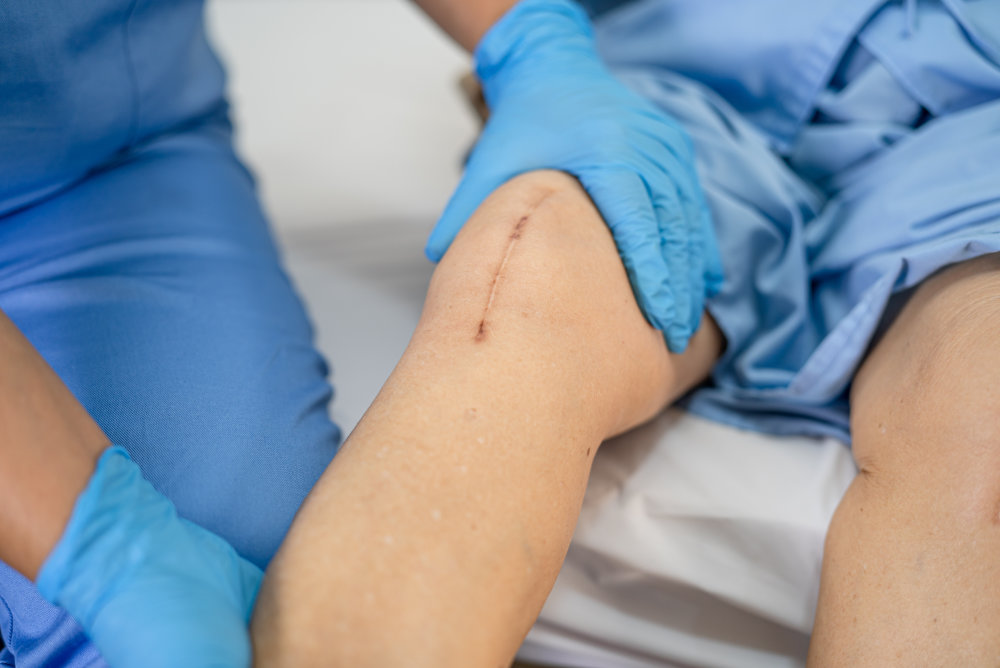
What is Painless Knee Surgery?
Painless knee surgery refers to minimally invasive procedures that reduce discomfort during and after the operation. Advanced surgical techniques such as robotic-assisted knee surgery, keyhole surgery (arthroscopy), and partial or total knee replacement help achieve optimal outcomes with minimal pain.
These techniques involve smaller incisions, less tissue damage, and improved precision, leading to faster recovery and reduced post-operative pain compared to traditional open surgery.
Common Knee Conditions Treated with Painless Surgery
1. Osteoarthritis
- A degenerative joint disease that causes pain, stiffness, and swelling.
- Treated using total knee replacement (TKR) or partial knee replacement (PKR).
2. Knee Ligament Injuries (ACL, PCL, MCL Tears)
- Often seen in athletes and active individuals.
- Treated using arthroscopic ligament reconstruction for faster recovery.
3. Meniscus Tears
- Damage to the cartilage that cushions the knee joint.
- Treated using minimally invasive meniscus repair.
4. Patellar (Kneecap) Disorders
- Includes conditions like patellar dislocation or chondromalacia patella.
- Treated using minimally invasive realignment surgery.
5. Rheumatoid Arthritis and Inflammatory Conditions
- Autoimmune disorders affecting knee function.
- Treated using joint preservation surgeries or total knee replacement.
Types of Painless Knee Surgery
1. Robotic-Assisted Knee Surgery
- Uses advanced robotic technology for precision and minimal tissue damage.
- Enhances implant positioning, ensuring better post-surgical outcomes.
2. Minimally Invasive Knee Replacement
- Uses smaller incisions compared to traditional knee replacement.
- Leads to faster healing and reduced post-operative discomfort.
3. Arthroscopic Knee Surgery (Keyhole Surgery)
- A minimally invasive technique for treating ligament and cartilage injuries.
- Involves inserting a small camera into the knee for guided repair.
4. Partial Knee Replacement (PKR)
- Recommended when only one part of the knee joint is affected.
- Retains more natural knee function and allows for quicker recovery.
5. Total Knee Replacement (TKR)
- Used for severe arthritis or joint damage.
- The damaged knee joint is replaced with an artificial implant.
Advantages of Painless Knee Surgery
- Minimal Pain: Advanced techniques reduce trauma to surrounding tissues.
- Smaller Incisions: Less scarring and quicker healing.
- Faster Recovery: Patients can resume daily activities sooner.
- Improved Joint Function: Enhanced mobility and long-term relief.
- Lower Risk of Complications: Reduces infection risk and post-surgical stiffness.
When to See a Doctor for Knee Pain?
It is essential to consult an experienced specialist like Dr. Pradyumna R if you experience:
- Persistent knee pain that does not improve with rest or medication.
- Difficulty in walking, climbing stairs, or standing for long periods.
- Knee swelling, stiffness, or instability.
- Previous knee injuries that worsen over time.
- Reduced quality of life due to limited mobility.
Delaying treatment can lead to further joint deterioration, making surgery inevitable. Seeking timely medical advice ensures the best possible outcomes.
Meet Dr. Pradyumna R – Leading Knee Surgery Specialist in BTM Layout
Dr. Pradyumna R is a highly skilled orthopedic and knee surgery specialist in BTM Layout, specializing in painless knee surgery using minimally invasive techniques. With years of experience in advanced knee treatments, he provides expert diagnosis, customized treatment plans, and compassionate post-surgical care.
Why Choose Dr. Pradyumna R?
- Expertise in robotic and minimally invasive knee surgery
- Personalized treatment plans for each patient
- State-of-the-art surgical facilities
- Comprehensive post-surgical care
📅 Book Your Appointment with Dr. Pradyumna R
Take the first step toward pain-free mobility. Dr. Pradyumna R is here to provide advanced knee treatments tailored to your needs.